
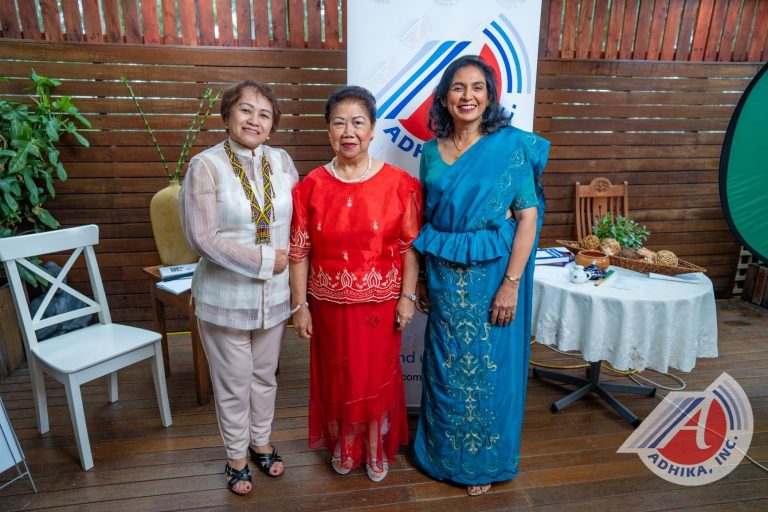
Funded by the National Diabetes Services Scheme (NDSS), the seminar at West HQ, Rooty Hill has been initiated through Diabetes NSW & ACT and is supported by the Western Sydney Diabetes Filipino Working Group.
It will target those who are living with, at risk of, or supporting someone living with diabetes in the Filipino community.
Last October, WSD organised a Western Sydney Filipino Leaders meeting to highlight the high rates of diabetes in the Filipino community.
Western Sydney Diabetes (WSD) Diabetes Prevention Officer, Aruni Ratnayake, said more than 70 health practitioners and community leaders attended the online meeting and the Western Sydney Diabetes Filipino Working Group was established.
The seminar will be MC’d by working group member and Clinical Nurse Specialist, Celestina Shori, with presentations by exercise physiologist, Rhea Balmaceda and fellow working group members, Endocrinologist Dr Rona Francisco; WSD diabetes educator at Westmead Hospital, Bernadette Sadsad; and dietitian Dean Paningbatan.
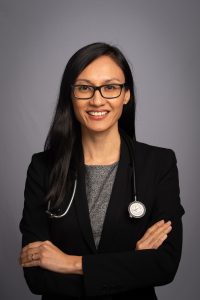
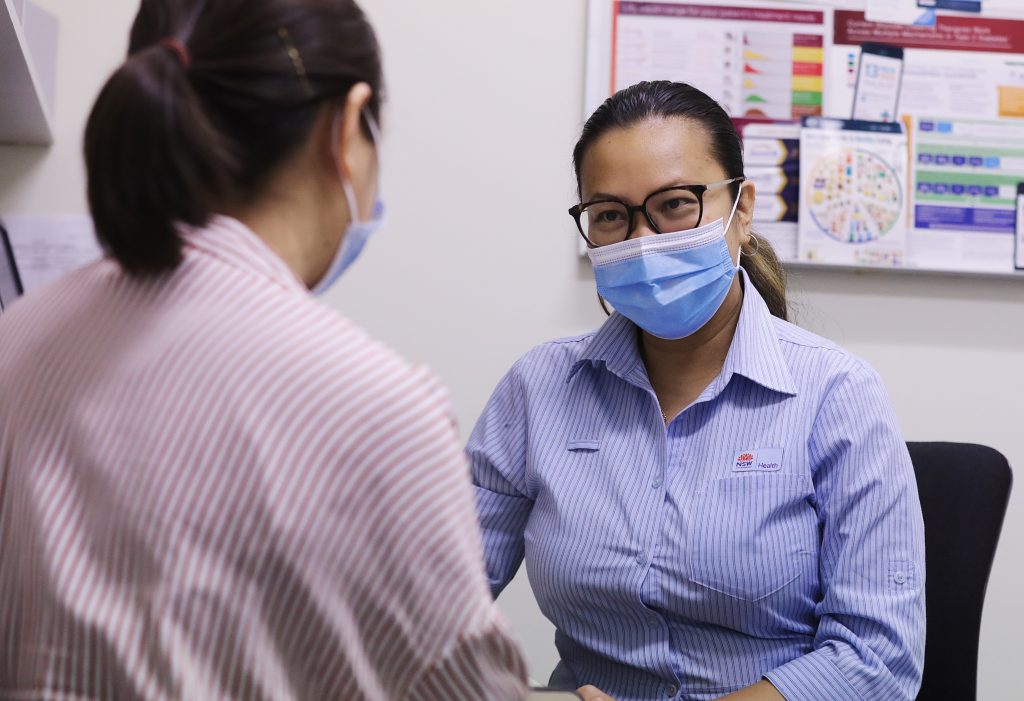
Dr Francisco (pictured left) will discuss diabetes and its complications, the risk factors, screening and diagnosis, management options and medications available.
“Filipinos are at high risk of developing diabetes, contributed partly by our traditional diet and lifestyle,” she said.
“As the main modifiable risk factor is our cultural diet, one of our goals will be to educate the community on how to prepare healthier versions of our traditional meals.”
Ms Sadsad (pictured above right) will speak about complication screening and the Diabetes Annual Cycle of Care.
“As a proud member of the Filipino community I know there is a crucial need to raise awareness about the prevalence of diabetes and to educate the members of our community on how to manage their diabetes to help minimise the risk of developing complications,” she said.
Katie Allison, Diabetes NSW and ACT’s Culturally and Linguistically Diverse (CALD) Project Officer, said the seminar is a unique opportunity to bring together a variety of health professionals from the Filipino community to discuss practical ways to manage or prevent diabetes.
“The event will embrace Filipino culture with tailored information, including practical tips about food,” Ms Allison said.
“This event will also educate residents about how to link in with other local services and access ongoing support.”
Details: 11am-2pm, Saturday, June 19, West HQ, 33 Railway St, Rooty Hill
Registration is essential
Call the NDSS Helpline on 1800 637 700 or visit diabetesnsw.com.au/events.
Inquiries: Aruni Ratnayake, [email protected], [email protected] or call the NDSS helpline on 1800 637 700.
Media inquiries: eEngagement and Education Manager, Heloise Tolar, [email protected] or 0417 872 245